



Mashhad News
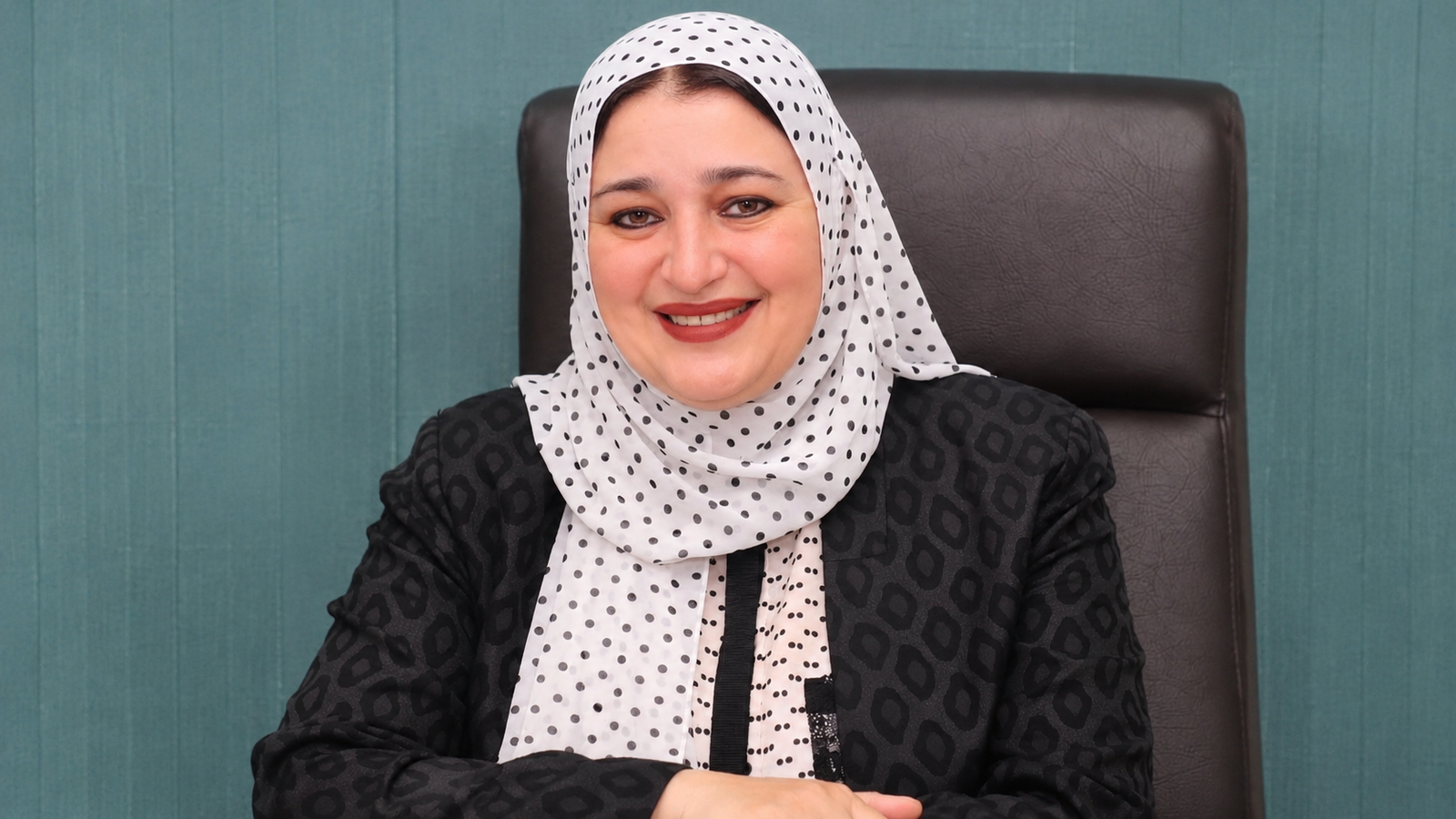
Dr. Abeer Essam, Head of the Regional Federation of NGOs and Civil Institutions in Giza Governorate and Head of the Women and Women Entrepreneurs Unit at the 6th of October Investors Association, stressed that protecting water resources requires coordinated efforts between state institutions and civil society.
She emphasized the importance of expanding community participation through NGOs to establish a culture of rational water consumption, describing water conservation as a shared responsibility and an everyday practice.
Her remarks came during an awareness seminar organized by the Water and Wastewater Regulatory Agency and Consumer Protection, in cooperation with the General Federation of NGOs and Civil Institutions and the Regional Federation of NGOs and Civil Institutions in Giza Governorate.
The seminar was held at the Academy of Arts, with the participation of representatives from the Holding Company for Water and Wastewater, the Giza Water and Wastewater Company, NGO leaders and representatives, as well as a number of Academy students.
The event was organized as part of efforts to activate the joint cooperation protocol aimed at raising awareness of water conservation, in line with the directives of Eng. Randa El-Menshawy, Minister of Housing, Utilities and Urban Communities.
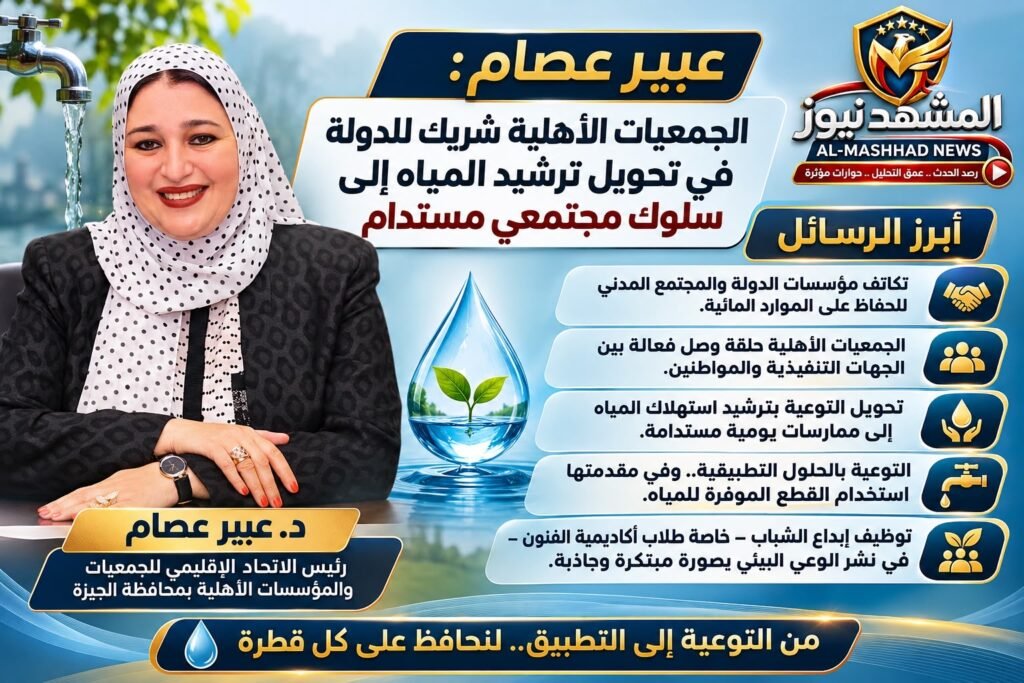
Essam explained that NGOs and civil institutions serve as an effective link between executive authorities and citizens. Their extensive geographical presence and ability to reach different communities enable them to turn awareness campaigns on water conservation and resource protection into sustainable social practices.
She noted that this role can help translate awareness messages into practical actions that reduce water waste and improve the efficiency of water consumption.
She added that the Regional Federation in Giza is keen to mobilize the capabilities of NGOs in support of national initiatives addressing environmental and service-related issues, while intensifying field activities aimed at improving consumption patterns.
Essam also highlighted the importance of promoting practical solutions, particularly the use of water-saving devices, as an effective way to reduce waste without compromising citizens’ daily needs.
Dr. Abeer Essam expressed her appreciation to Eng. Randa El-Menshawy, Minister of Housing, Utilities and Urban Communities; Dr. Mohamed Hassan Mostafa, Executive President of the Water and Wastewater Regulatory Agency and Consumer Protection; and Dr. Talaat Abdel Kawy, President of the General Federation of NGOs and Civil Institutions, for supporting cooperation and integration between state institutions and civil society.
She stressed that such cooperation is essential to unifying efforts, defining complementary roles, promoting responsible water consumption, and informing citizens of their rights and responsibilities, including mechanisms for protecting their rights as beneficiaries of drinking water and wastewater services.
Essam further noted that the participation of Academy of Arts students in awareness activities represents an important added value, as young people’s creative potential can be used to develop more engaging ways of communicating environmental messages and raising public awareness among new generations.
She concluded by stressing that awareness efforts should not be limited to seminars and meetings, but should extend to tangible initiatives and everyday practices in homes, institutions and NGOs, strengthening community participation and supporting the state’s efforts to preserve water resources and achieve sustainability.